Combat envelope
Range and detection
Every bar uses the same 20 km scale. Surface detection is a visibility threshold, not a weapon range.
U.S.S.R.
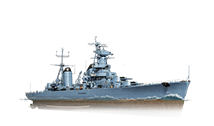
The Major Naval Shipbuilding Program of 1936 included the development of squadron escort cruisers; their main task was to protect battleships from enemy light forces. The Leningrad Design Institute proposed a preliminary design of a new light cruiser in 1937. The ship borrowed the overall gun arrangement, hull silhouette, layout, and propulsion unit from...
The Major Naval Shipbuilding Program of 1936 included the development of squadron escort cruisers; their main task was to protect battleships from enemy light forces. The Leningrad Design Institute proposed a preliminary design of a new light cruiser in 1937. The ship borrowed the overall gun arrangement, hull silhouette, layout, and propulsion unit from Project 26. A change of leadership in the Soviet Navy and the revision of the program for the construction of a "big fleet" prevented the project from being implemented.

At a glance
Combat envelope
Every bar uses the same 20 km scale. Surface detection is a visibility threshold, not a weapon range.
Damage comparison
Bars are normalized only against this ship's highest listed hit. They are not salvo damage, expected damage or DPM.
Only positive values supplied by the API are shown.
Surface armament
Damage is the API's published maximum for one shell hit.
Automatic armament
Underwater armament
53-39 mod. 1
Names, research prices and defaults are reported directly by the API.
Official modernization descriptions and listed purchase prices. Effects still depend on the slot and configuration used in game.
Reduces time to full speed
Research costs published in this ship's official progression data.
Cross-nation comparison
Closest same-tier, same-class matches from other nations, ranked by published base statistics.